How Random Rewards Can Make Familiar Gameplay Feel Fresh
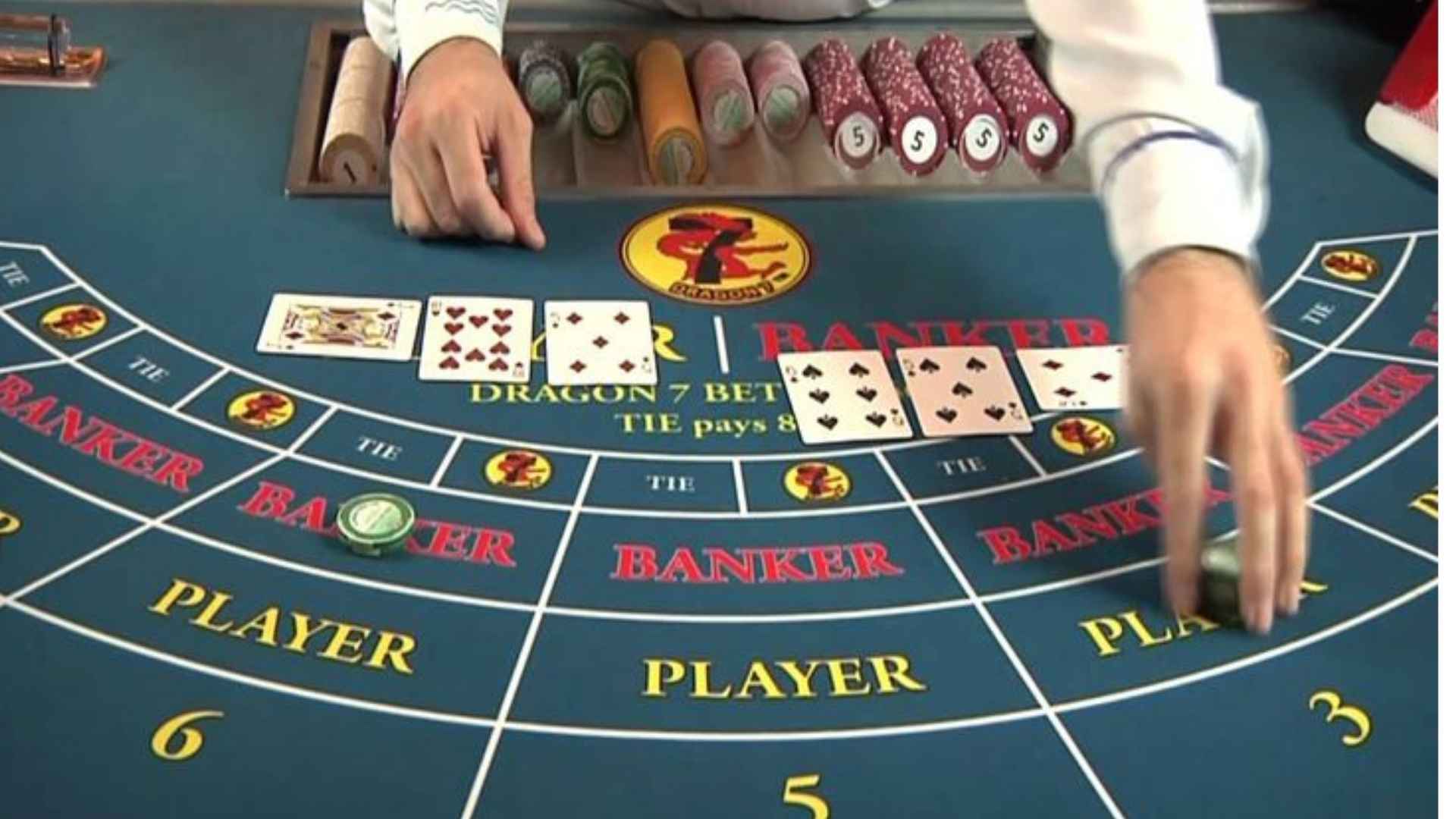
Video game developers are constantly searching for innovative ways to keep players invested in long-standing franchises and familiar gaming loops. When a core gameplay loop becomes too predictable, even the most beautifully designed virtual environment can start to feel repetitive. Incorporating unpredictable incentive systems serves as a powerful solution to break this monotony and revitalize player engagement.
The Psychological Trigger of Unpredictability
Human neurology is naturally wired to respond more intensely to unexpected positive outcomes than to guaranteed gifts. When players anticipate an unknown prize, their brains release dopamine, which significantly elevates their focus and curiosity. This emotional peak transforms standard objectives into highly engaging milestones that feel satisfying to complete.
By ensuring that the specific value of a prize remains a secret until the final reveal, creators successfully build a natural sense of suspense. This deliberate pacing keeps audiences emotionally invested throughout the entire interactive session. Even simple tasks benefit greatly from this psychological design, making routine content feel entirely new.
Enhancing Player Retention in Classic Genres
Traditional genres like puzzle games, simulation titles, and classic card tables often struggle with maintaining long-term variety. Introducing variable drops and surprise prize boxes gives these established formats a valuable mechanical upgrade. Players are much more likely to log in daily when they know an extraordinary reward could appear at any moment.
Many modern entertainment platforms successfully apply these randomized distribution strategies to keep their game libraries highly competitive. For example, popular online destinations like m88 casino use interactive surprise elements to ensure their standard gaming options deliver constant excitement. This creative approach prevents traditional digital designs from feeling outdated to experienced users.
Designing Balanced Logic for Fair Distribution
While the element of surprise is highly effective, game designers must carefully calibrate their reward tables to maintain trust. If useful drops are incredibly rare, participants can easily become discouraged and abandon the title entirely. A successful system balances small, frequent surprises with rare milestones to keep the journey achievable.
Transparency regarding overall drop probabilities also plays a critical role in establishing a healthy relationship with the player base. Providing clear context allows individuals to enjoy the thrill of chance without feeling manipulated by hidden algorithms. Useful progression mechanics should always complement random luck to ensure that effort still feels valued.
The Evolution of Interactive Mystery Systems
As digital entertainment technology progresses, the methods used to present randomized rewards are becoming increasingly creative. Advanced visual effects, adaptive soundtracks, and personalized tier lists turn a basic drop into a spectacular cinematic event. These multi-sensory feedback loops turn ordinary progression milestones into memorable highlights.
Ultimately, the timeless appeal of random rewards ensures they will remain a foundation of modern interactive media. They offer a simple yet highly effective way to balance familiarity with continuous innovation. By focusing on balanced reward distribution and creative delivery, software developers guarantee that classic games retain their magic for years to come.